
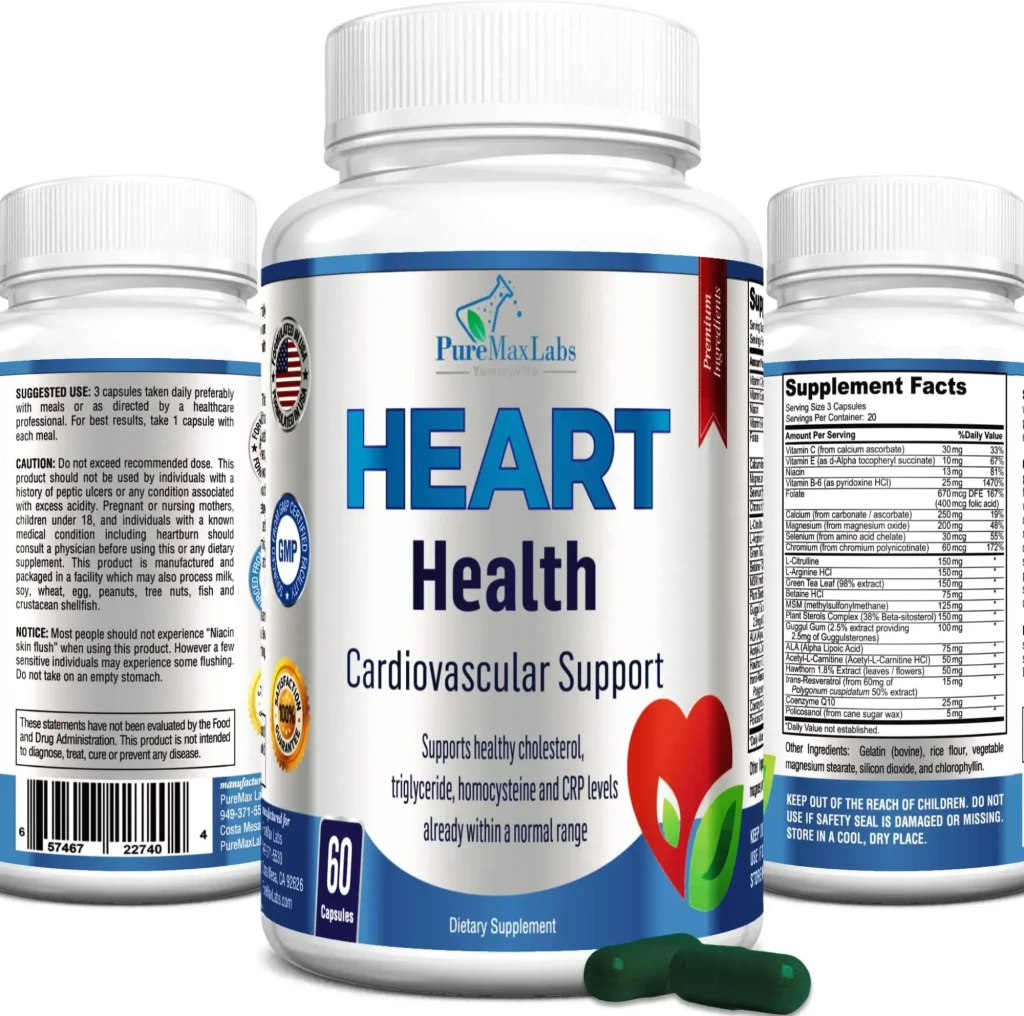
Health supplements have become a staple in many daily routines, offering practical support for energy, immune function, and overall vitality for everyday resilience. With a vast range of vitamins, minerals, proteins, botanicals, and specialty blends, the market can feel crowded and confusing for newcomers, and it often requires careful comparison across product lines. To keep things clear, think of dietary supplements and nutritional supplements as additions to a balanced diet, not substitutes for healthy food, mindful eating, or lifestyle choices. We’ll emphasize a practical, evidence-based checklist to help you compare brands, read labels, recognize credible testing, and verify manufacturing practices, including batch numbers and allergen statements. By the end, you’ll feel equipped to choose options that align with your goals, lifestyle, and medical history, and you’ll have a simple plan for ongoing review.
Viewed through an alternative lens, these nutrient-support options sit alongside regular foods as practical tools for filling gaps in daily intake. In practice, consumers often think in terms of dietary aids and nutraceuticals, where the goal is to complement diet with targeted nutrients. When deciding how to choose supplements, focus on your specific needs, the quality of ingredients, and clear evidence of benefit. A careful evaluation of brand credibility, third-party testing, and real-world use cases helps translate science into everyday wellness. Together with professional guidance, you can weave these nutrition-support products into a broader wellness plan.
What Are Health Supplements and How They Fit Into a Balanced Diet
Health supplements are products designed to supplement the diet and provide nutrients that may be missing or insufficient. This broad category includes vitamins and minerals, omega-3 fatty acids, protein or amino acid blends, botanical extracts, probiotics, and specialty blends for targets like joint health or sleep support. They should not replace whole foods, but they can help fill gaps, support different life stages, or help reach specific health goals.
Within this landscape, dietary supplements and nutritional supplements are the two most common labels. Dietary supplements is an umbrella term for vitamins, minerals, herbs and botanicals, as well as products like protein powders. Nutritional supplements focus on nutrients that play direct roles in body function, such as calcium for bone health or omega-3s for heart and brain health. When people talk about health supplements, they’re often referring to products in these overlapping categories used to support daily nutrition rather than treat disease.
Safety is essential. Health supplement safety depends on quality manufacturing, accurate labeling and third-party verification. Look for products manufactured under good manufacturing practices and with third-party testing or certification (e.g., USP, NSF). Read labels carefully for active ingredients, dosage, serving size, warnings, and potential interactions with medications. People with pregnancy, chronic diseases, or kidney or liver conditions may have special considerations and should consult a clinician before starting new supplements.
Choosing Supplements: A Practical, Evidence-Driven Guide to Getting the Benefits of Health Supplements
If you decide to add dietary or nutritional supplements to your routine, follow a methodical approach to avoid hype and identify products that offer real value. Start by defining your goal—addressing a nutrient gap, supporting athletic performance, or targeting a health concern—and then look for high-quality evidence from research, meta-analyses, or guidelines from trusted organizations. Check the label for ingredients, dosage, and any fillers or allergens, and prefer products with clear labeling and minimal additives. Seek third-party testing and verify manufacturing practices to increase confidence in what you’re taking.
Practical steps to choose supplements include assessing your medical history, current medications, and life stage. Consider whether you truly need a supplement and choose a minimal effective dose, introducing one product at a time to gauge effects and tolerability. Compare dietary supplements and nutritional supplements in terms of safety, quality, and value, and remember that the benefits of health supplements are most likely when they complement a nutrient-dense diet and healthy lifestyle.
Real-world guidance emphasizes setting expectations: supplements are not magic pills, and benefits such as better nutrient adequacy, energy, or immune function depend on the whole diet and lifestyle. Regularly monitor how you feel, store products as directed, and discuss any concerns with a healthcare professional. By staying informed about health supplement safety and relying on evidence-backed products, you can use these tools to support your wellness goals without falling for hype or misinformation.
Frequently Asked Questions
What are health supplements and what are the benefits of health supplements, and how do dietary supplements differ from nutritional supplements?
Health supplements are products designed to supplement the diet and may include dietary supplements and nutritional supplements. They can help fill nutrient gaps, support bone and heart health, boost immunity, or aid athletic performance when used appropriately. Remember that supplements should complement—not replace—whole foods, and choose evidence-backed options with clear labeling. If you have health conditions, are pregnant, or take medications, consult a healthcare professional before starting any new supplement.
How to choose supplements: what is health supplement safety, and how can I evaluate dietary or nutritional supplements to ensure safe use?
To choose supplements wisely, start by defining your goal and whether a dietary supplement or nutritional supplement is appropriate. Look for clear labels with ingredients and dosages, and favor products that have third-party testing for health supplement safety (e.g., USP, NSF). Check for safe dosage, avoid mega-doses, consider interactions with medications, and discuss with a clinician if you’re pregnant, nursing, or have chronic conditions. Start with the minimal effective dose and monitor your response over a few weeks.
| Topic | Key Point |
|---|---|
| What are Health Supplements? | Supplements aim to fill nutrient gaps in the diet and may include vitamins/minerals, omega-3s, protein blends, botanicals, and probiotics; they should not replace whole foods. |
| Common Categories | Dietary supplements cover vitamins, minerals, herbs, and other botanicals, plus proteins; nutritional supplements emphasize nutrients that play direct roles in body function. |
| Potential Benefits | Can help address nutrient shortfalls, support bone/heart health, energy, immunity, or athletic needs when used appropriately; results vary and are not guaranteed. |
| When to Consider | If you don’t meet recommended intakes from food, or a clinician identifies a deficiency; consider focused, evidence-backed products and start with a minimal effective dose. |
| Safety and Quality | Choose products manufactured under GMP with third-party testing (USP, NSF, Informed-Sport); read labels, be aware of interactions, and consult a clinician for safety concerns. |
| How to Choose | Define your goal, check high-quality evidence, review the label and dosage, seek third-party verification, verify manufacturing practices, consider medical history, and start with a minimal effective dose. |
| Common Myths | Cannot replace a healthy diet; more isn’t always better; regulation varies; third-party testing and transparent labeling matter; improvements don’t prove efficacy. |
| Practical Guidance | Perform a baseline nutrient check, monitor effects over weeks, maintain consistency, store properly, and discuss concerns with a clinician. |
| Role of Professionals | Healthcare providers and dietitians can tailor recommendations, review medications, interpret labels, and monitor safety and effectiveness. |
| A Balanced View | Health supplements can support wellness when used within a holistic plan that prioritizes diet, activity, sleep, and stress management, guided by credible evidence. |
Summary
Health supplements are best understood as tools to support a nutrient-rich diet rather than as a replacement for real food. Used thoughtfully, they may help fill specific gaps, support bone and heart health, boost energy, or aid recovery when aligned with individual needs and medical history. Because product quality and scientific evidence vary, choose items backed by third-party testing, check labels for active ingredients and dosages, and consult healthcare professionals when considering higher doses or complex regimens. A practical approach combines a clear goal with credible information, gradual introduction of one product at a time, and careful monitoring of how you feel over several weeks. In this way, Health supplements can be a meaningful, evidence-informed part of a broader wellness strategy that supports long-term well-being.